Choosing Books That Make a Bigger Impact
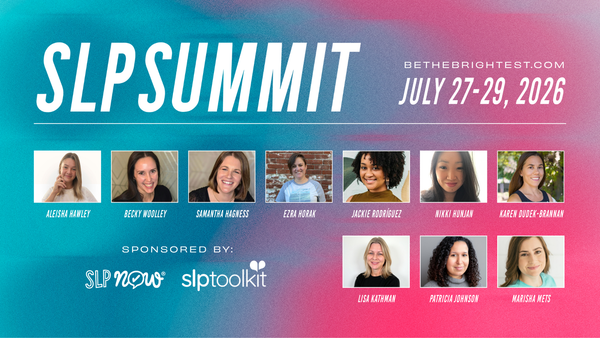
In 2024, I was asked to return to SLP Summit, and this time I cried.

The Course That Made Me Cry - And What You Can Do With It Tomorrow
🔒 Paid Subscriber Exclusive | July 2026 | SLP Summit Retrospective Series
This subscription may be eligible for coverage through your employer’s professional development funds. Download our template to ask your employer about reimbursement.
In 2020, I stepped onto the virtual SLP Summit stage for the first time to talk about how SLPs select and use picture books in therapy. To say I was nervous is an understatement, but I needed people to understand the importance of representation in the materials we bring to our clinic spaces and the impact of invisibility.
In 2024, I was asked to return to SLP Summit, and this time I cried.
For my second SLP Summit appearance, I was presenting on how to make an impact with one book. Not an emotional topic, right? But, while planning the SLP Summit for Bright Ideas and preparing my presentation, my mother passed away. The person who introduced me to books and how they could take me to new places was gone. As anyone who has experienced loss knows, grief shows up whenever it wants - even during the LIVE SLP Summit. There was one slide in particular that wrecked me. It was a reminder that I was not prepared for, and before I knew it, my voice cracked.
But I continued on, and the SLP Summit community wrapped me up in a blanket of love and gratitude when I needed it most. Today, in gratitude, I am sharing some points and resources from that course.
What Literacy-Based Therapy Actually Is
Literacy-based therapy is exactly what it sounds like: using books and literacy experiences as the foundation for speech and language intervention. Instead of isolated drills or decontextualized practice, therapy is built around a shared text - a picture book, a story, a poem - that becomes the anchor for whatever goals you're targeting.
The research behind it is solid. Repeated exposure to rich vocabulary in context supports retention. Narrative structure builds comprehension and expressive language simultaneously. Shared reading creates a predictable, low-pressure interaction that reduces anxiety and increases participation for kids who shut down with flashcards or table-based tasks.
But the impact of literacy-based therapy isn't just clinical. When you choose books intentionally - books that reflect varied cultures, family structures, languages, and lived experiences, you're telling a child: you exist. You belong here. The world in these pages includes you.
For many of the students on our caseloads, that's not a small thing. That's everything.
Why This Approach Hits Different in Schools
School-based SLPs have a unique opportunity that almost no one talks about enough. You're not seeing a child for 45 minutes in a clinic. You're embedded in the same building where they spend most of their waking hours. You're connected to their teachers, their classroom communities, their daily reading and writing experiences.
Literacy-based therapy lets you leverage all of that.
Not a paid subscriber yet? Upgrade your membership to access this resource, the full Bright Ideas archive, and exclusive content released each month.