“I Wouldn’t Even Know They Had Autism”

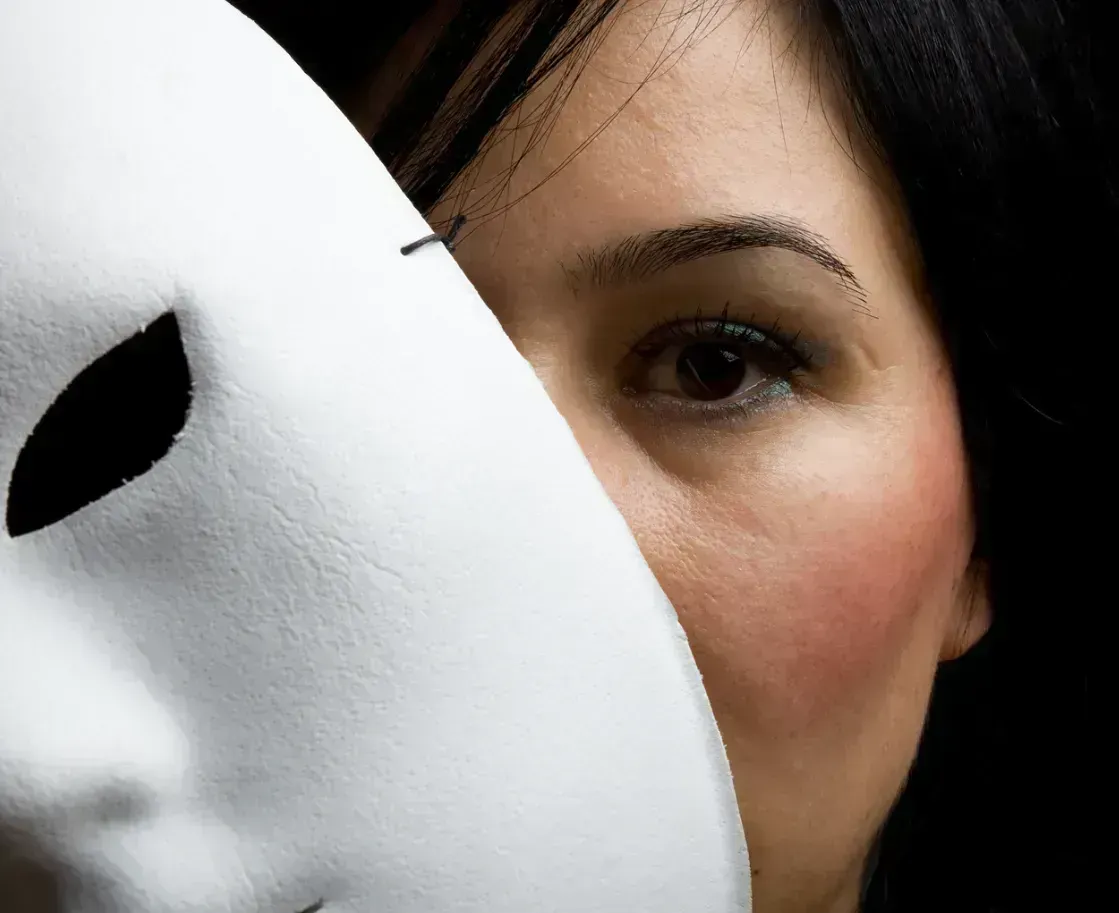
Masking is when neurodivergent individuals, autistic people, ADHDers, and others adapt socially, behaviorally, or communicatively to be more accepted by neurotypical peers and to conform to adult expectations.
“I Wouldn’t Even Know They Had Autism”

Why That’s Not the Compliment You Think It Is

💡
This subscription is a professional learning resource. Here’s a template to request district reimbursement.

We hear it a lot. An adult shares they are neurodivergent or a parent shares their child’s diagnosis and someone says, “Really? I never would have guessed. You’d never even know.”

It’s meant kindly. But Dr. Destiny Huff — licensed professional counselor, special education advocate, certified trauma therapist, and late-diagnosed autistic and ADHD person herself — has a different take on it. As she says in her course The Cost of Masking:

“People think that’s a compliment, but it’s really not a compliment because it implies there’s something wrong with their peers that do have those stereotypical presentations.”

That sentence stopped us in our tracks. Because the reason a child “doesn’t seem” autistic or ADHD is often because they’ve spent enormous energy making sure you don’t notice. That’s masking.

So what exactly is masking?

Masking is when neurodivergent individuals, autistic people, ADHDers, and others adapt socially, behaviorally, or communicatively to be more accepted by neurotypical peers and to conform to adult expectations.

It’s not one big dramatic thing. It’s dozens of small, exhausting adaptations layered on top of each other, all day, every day. Laughing at jokes they didn’t understand. Agreeing when they disagreed. Holding still when their body is screaming for movement. Mimicking the way a peer holds their shoulders to look casual. Researching what’s trending so they have something to talk about at lunch.

Let’s break masking down into three types:

Social masking: imitating peers, suppressing stimming, forcing social engagement they’re uncomfortable with.

Behavioral masking: complying with requests even when uncomfortable, disengaging quietly to avoid attention or discipline, freezing and shutting down internally instead of showing distress externally. This is often the child teachers describe as “no trouble at all”, but parents are fighting to get them out of bed every morning.

Communication masking: saying what adults want to hear, pretending to understand instructions they didn’t catch, nodding along, and moving on. Or, for AAC users, avoiding their device in public because of the stares they’ve experienced, even though it’s their most natural way to communicate.

Why do they do it?

Because they’ve learned that being themselves has a cost. They do it to avoid punishment, bullying, and being labeled “non-compliant” or different from peers.

And here’s the part that’s worth sitting with for a long time: WE often teach it to them. Every time we tell a child to stop stimming or that they’re “bothering” their friends with their sounds, yet praise them for being still and quiet, we are teaching them to hide their authentic selves. Dr. Huff is direct about this:

“You’re telling them all these things that go against what they naturally need to do. So sometimes, unknowingly, you’re saying, ‘hide your disability traits so that you can make friends and so that you don’t have any issues.’ It’s not intentional.”

It’s not the same for everyone

Masking doesn’t happen in a vacuum, and the stakes aren’t equal for every child.

For Black neurodivergent children, masking has often been a safety strategy long before anyone used that word. “A white peer’s behavior is called assertive, but the Black peer’s behavior is called aggressive.” Certain things that autistic white peers can do without consequence carry very different risks for Black and brown autistic peers. In those cases, masking is protection.

For girls and women, socialization starts early. They’re conditioned to read cues quickly, adapt faster, and smooth things over. The result? Autistic and ADHD girls are often identified much later (or never diagnosed) because they’ve masked so well that no one looks deeper.

For trans and gender-diverse neurodivergent individuals, masking their neurodivergence and masking their gender identity can become intertwined in ways that are deeply layered and often invisible to the adults around them.

What this means for practitioners and parents

Awareness isn’t enough. It’s not enough to know neurodivergent kids exist and have different needs. The shift is toward acceptance and creating environments where stimming is allowed and where communication looks different for different kids. We need spaces where being authentic isn’t punished.

The next time a child seems perfectly fine in your classroom, it’s worth asking: are they fine or are they just very good at not letting you see that they’re not?

🎧 This article is based on content from Bright Conversations. Follow our channel for more insights for practitioners supporting neurodivergent learners and families.